


Saving money feels safe. Watching your bank balance grow is satisfying.
But here’s the uncomfortable truth:
Cash quietly loses value over time.
Inflation eats it.
Low interest rates barely help.
And the longer it sits there, the less it does for you.
This isn’t anti-saving.
It’s about understanding the difference between:
- Feeling financially safe
- Actually being financially secure
Let’s break it down properly.
The Hidden Problem With Saving Money
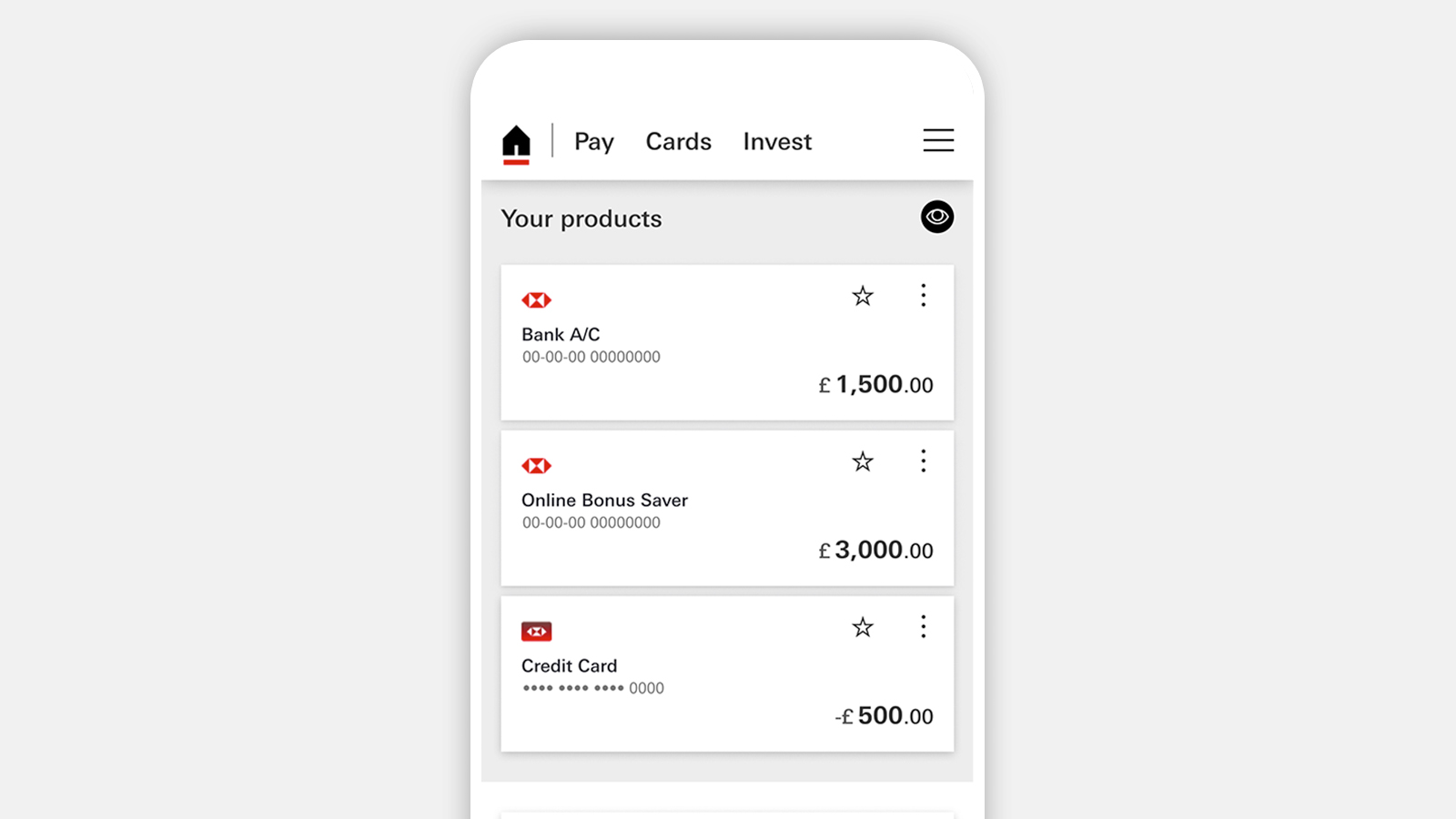
Most high street banks like:
- HSBC
- NatWest
Offer very low interest on standard savings accounts.
Meanwhile:
- UK inflation has averaged significantly higher than most savings rates in recent years.
- Your purchasing power declines quietly.
If inflation runs at 4% and your savings earn 1–2%, you are losing money in real terms.
That £10,000 still says £10,000 on your screen…
But it buys less.
Cash Is the Laziest Worker You’ll Ever Hire
If you leave £10,000 in a bank account:
After 10 years → still £10,000 (ignoring minor interest)
If you invest £10,000 at an average 8% annual return:
After 10 years → £21,589
That’s the power of compounding.
Now 8% isn’t guaranteed. Capital is at risk.
But historically, global equity markets have delivered strong long-term returns.
Example:
MSCI World Index
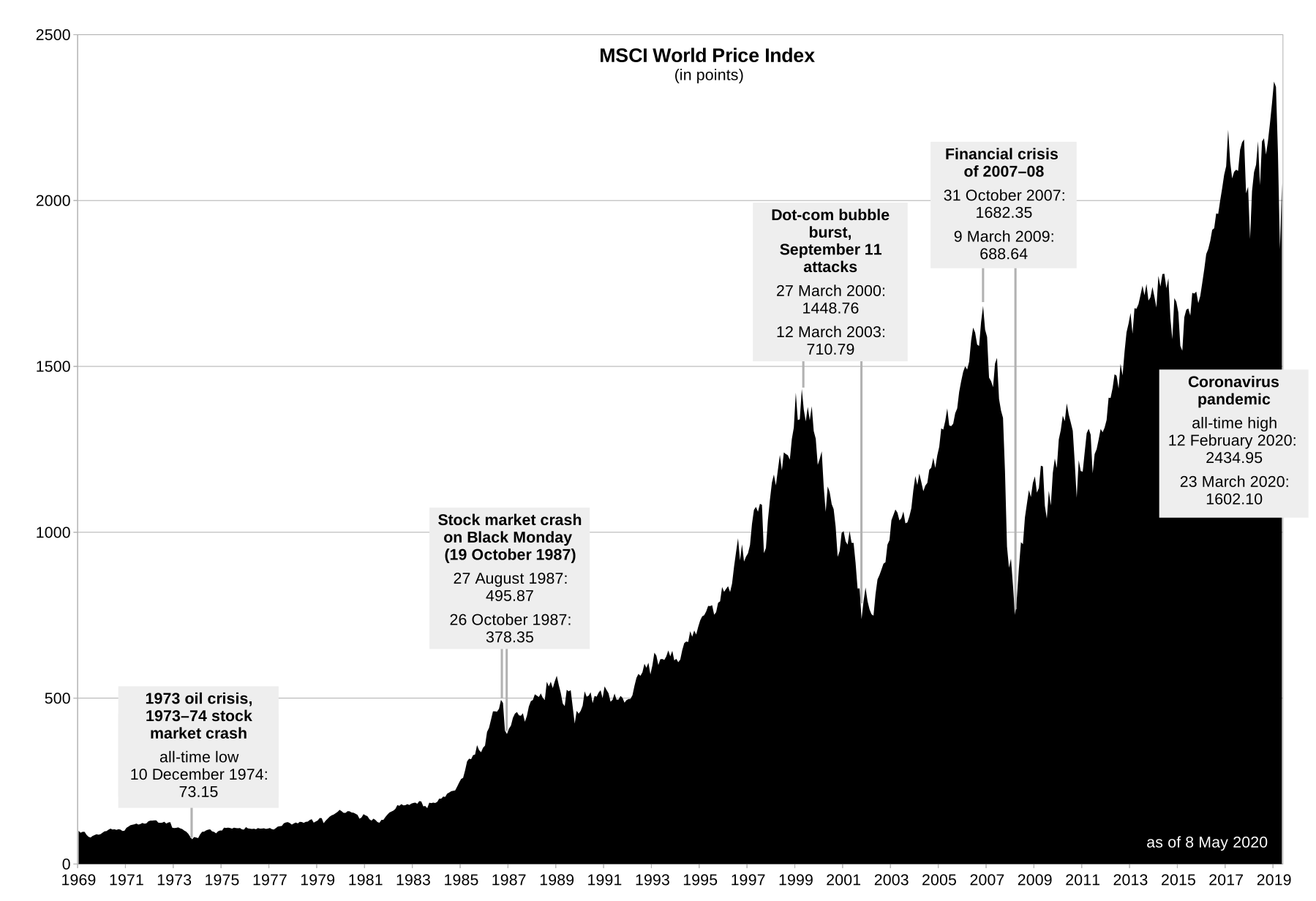
Over long periods, diversified equity markets have historically outpaced cash.
The difference between:
- Saving
- Investing
Is often the difference between stagnation and growth.
The Emergency Fund Trap (Two Extremes)
I’ve seen this for over 10 years working with investors.
There are two common mistakes:
1️⃣ No emergency fund at all
Reckless.
2️⃣ A massive emergency fund doing nothing
Fear money.
Most people realistically need:
3–6 months of essential expenses.
If your monthly essentials are £2,000:
- 6 months = £12,000
- Anything far above that may be overkill
Holding £40k–£80k in cash “just in case” is often emotional, not strategic.
That extra money could be compounding elsewhere.
Where To Park Short-Term Cash (If You’re Not Investing Yet)
If you’re not comfortable investing yet, at least make cash work harder.
Digital banks like:
Monzo
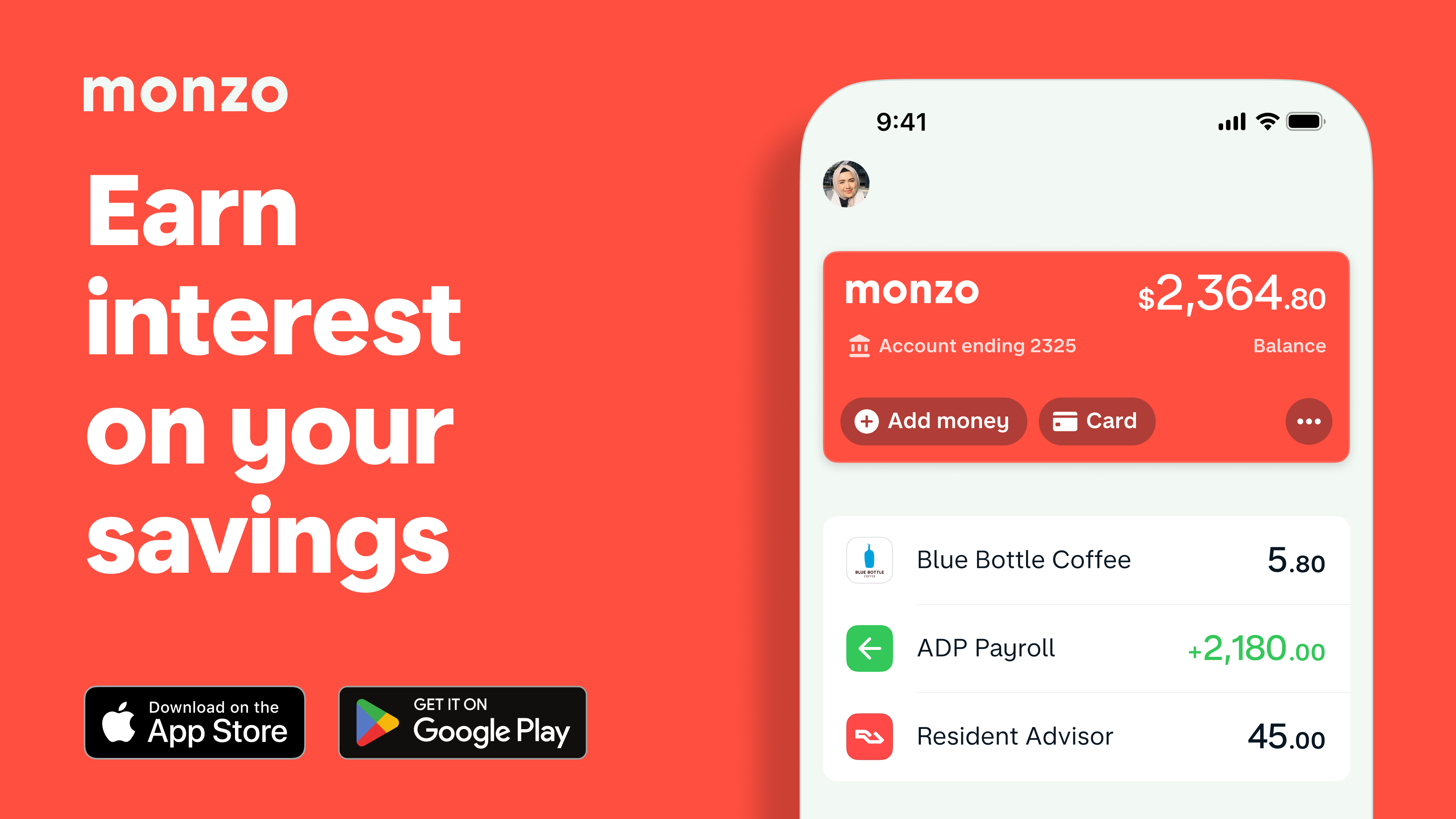
Offer competitive easy-access savings pots compared to traditional banks.
It’s not investing. But it’s better than letting money idle at near-zero.
Open A Monzo Account | Quick & Easy
Organise, save & invest with a free UK current account, joint account or business account. Make your money more Monzo.
Bank Safety Isn’t Unlimited
Many people don’t realise this:
Under the UK Financial Services Compensation Scheme (FSCS), deposits are protected up to £120,000 per banking institution.
This is regulated by the Financial Conduct Authority.
Official details:
https://www.fscs.org.uk/what-we-cover/banks-building-societies/
- £120,000 protected
Large balances should be split across institutions.
The Spending Problem Nobody Talks About
Here’s the real psychological trap:
When you see a big cash balance…
You want to spend it. Big number = temptation.
If it’s sitting there, visible, accessible your brain will justify purchases.
Out of sight. Out of mind. Investing removes friction from spending.
Automate investing.
Automate saving.
Pay yourself first.
So Where Should You Invest Instead?
For long-term wealth building, you generally have three broad categories:
1️⃣ Index Funds & ETFs
Vanguard FTSE All-World UCITS ETF
Why beginners like this:
- Global diversification
- Low cost
- Simple
- Historically strong long-term returns
This tracks thousands of companies worldwide. You’re buying the market not gambling on one stock.
2️⃣ Dividend Stocks
Drax Group
Dividend stocks can:
- Provide income
- Offer growth
- Compound when reinvested
Personally, I combine:
- Index funds
- Dividend growth stocks
Because I want both growth and long-term passive income.
3️⃣ Long-Term Equity Exposure
Over long timeframes (10+ years)
The law of averages historically favours productive assets over idle cash.
Cash is safe in the short term. Equities have historically built wealth in the long term.
Important: Investing Is Not Risk-Free
Let’s be clear.
Capital is at risk.
Markets fall.
There are recessions.
There are crashes.
But long-term data shows diversified investing has historically recovered over time.
Cash also carries risk:
- Inflation risk
- Opportunity cost
- Behavioural spending risk
The question isn’t: “Is investing risky?”
It’s: “Which risk are you willing to accept?”
My Personal Framework
Here’s what I do (educational only):
✔ 3–6 months emergency fund
✔ Invest the rest
✔ Use a Stocks & Shares ISA
✔ Diversify globally
✔ Reinvest dividends
✔ Stay consistent
My goal isn’t to build a big bank balance. It’s to build assets.
Because assets generate income. Cash does not.
The Big Shift: Build Wealth, Not Just Cash
Saving makes you feel safe. Investing builds long-term security.
If I had left £50,000 sitting in savings years ago:
- I wouldn’t have the growth
- I wouldn’t have the compounding
- I wouldn’t have the financial flexibility
Wealth isn’t built by hoarding money. It’s built by deploying it intelligently.
Final Thoughts
Keep cash for:
- Emergencies
- Short-term purchases (house deposit, car, etc.)
Invest for:
- 5+ year goals
- Retirement
- Financial independence
- Long-term wealth
Because cash is guaranteed stagnation. Investing, over time, has historically rewarded patience.


