


That’s why many wealthy investors rely on accumulation ETFs funds that quietly reinvest dividends and compound in the background without needing constant decisions.
In this guide, we’ll break down:
- What accumulation ETFs are (and how they differ from income funds)
- Why wealthy investors prefer them for long-term growth
- The five most popular accumulation ETFs in the UK
- How to combine them into a simple, low-stress portfolio
This article is UK-focused and designed for Stocks & Shares ISAs and pensions.
Watch the full video version of Accumulation Funds
Accumulation vs Distribution ETFs (Simple Explanation)
Before looking at specific funds, it’s important to understand the difference between accumulation and distribution ETFs.
Accumulation ETFs
- Dividends are automatically reinvested
- No cash is paid out
- Growth compounds internally
- You sell units when you want to withdraw money
These are ideal for:
- Long-term growth
- Younger investors
- Hands-off investing
- Removing emotional decisions
Distribution ETFs
- Dividends are paid out as cash
- You decide whether to reinvest
- Useful for income later in life
Personally, I use distribution ETFs for cash flow, but for pure growth, accumulation funds are the engine.
They remove the biggest enemy of investing: human behaviour.
No temptation to spend dividends.
No missed reinvestments.
No tinkering.
Why Accumulation ETFs Are So Popular With Wealthy Investors
Across ISAs and pensions, accumulation ETFs dominate and for good reason.
They offer:
- Low costs
- Broad diversification
- Time in the market
- Consistency
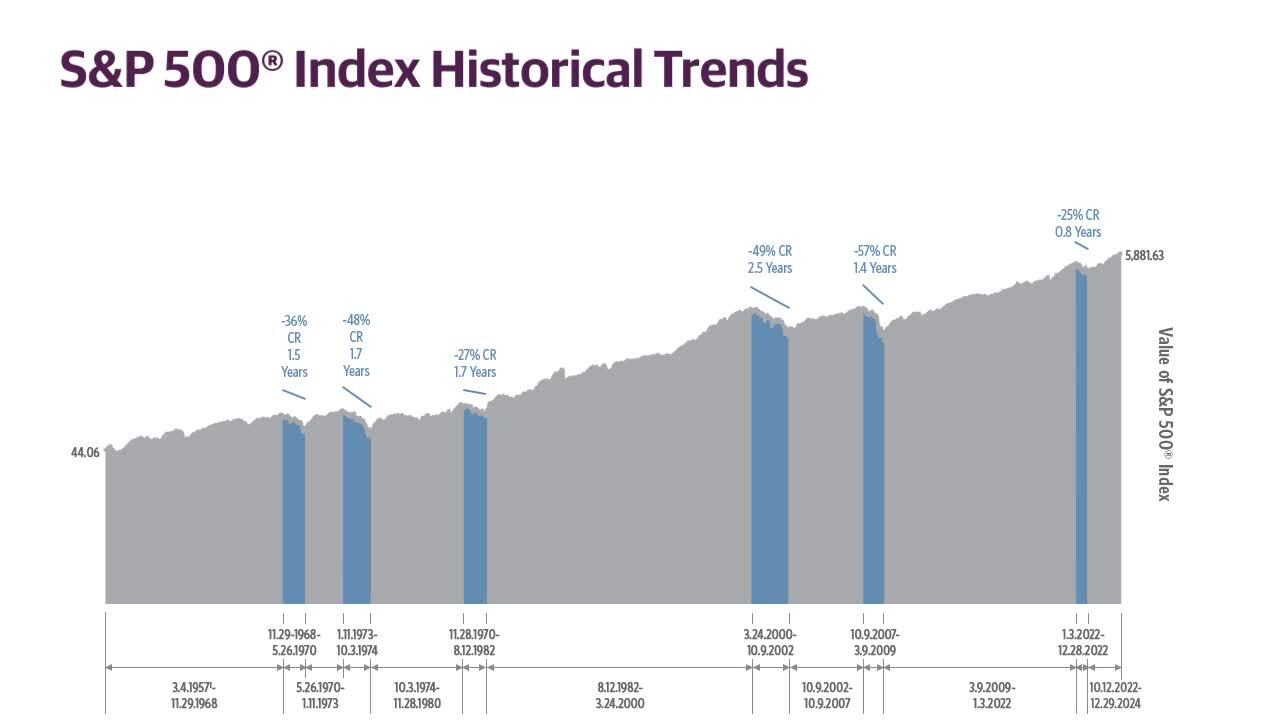
1. S&P 500 Accumulation ETF (CSP1)
Ongoing Charge: 0.07%
Focus: 500 largest US companies
Style: Growth-led, tech-heavy
This is one of the most popular ETFs in the world and for good reason.
The S&P 500 has delivered consistent long-term growth over decades, driven by:
- US innovation
- Global mega-cap companies
- Strong earnings growth
While it can underperform in certain years, its long-term consistency is unmatched.
If you want:
- Simple exposure to US growth
- Low fees
- Proven performance
This is often the first ETF people start with.
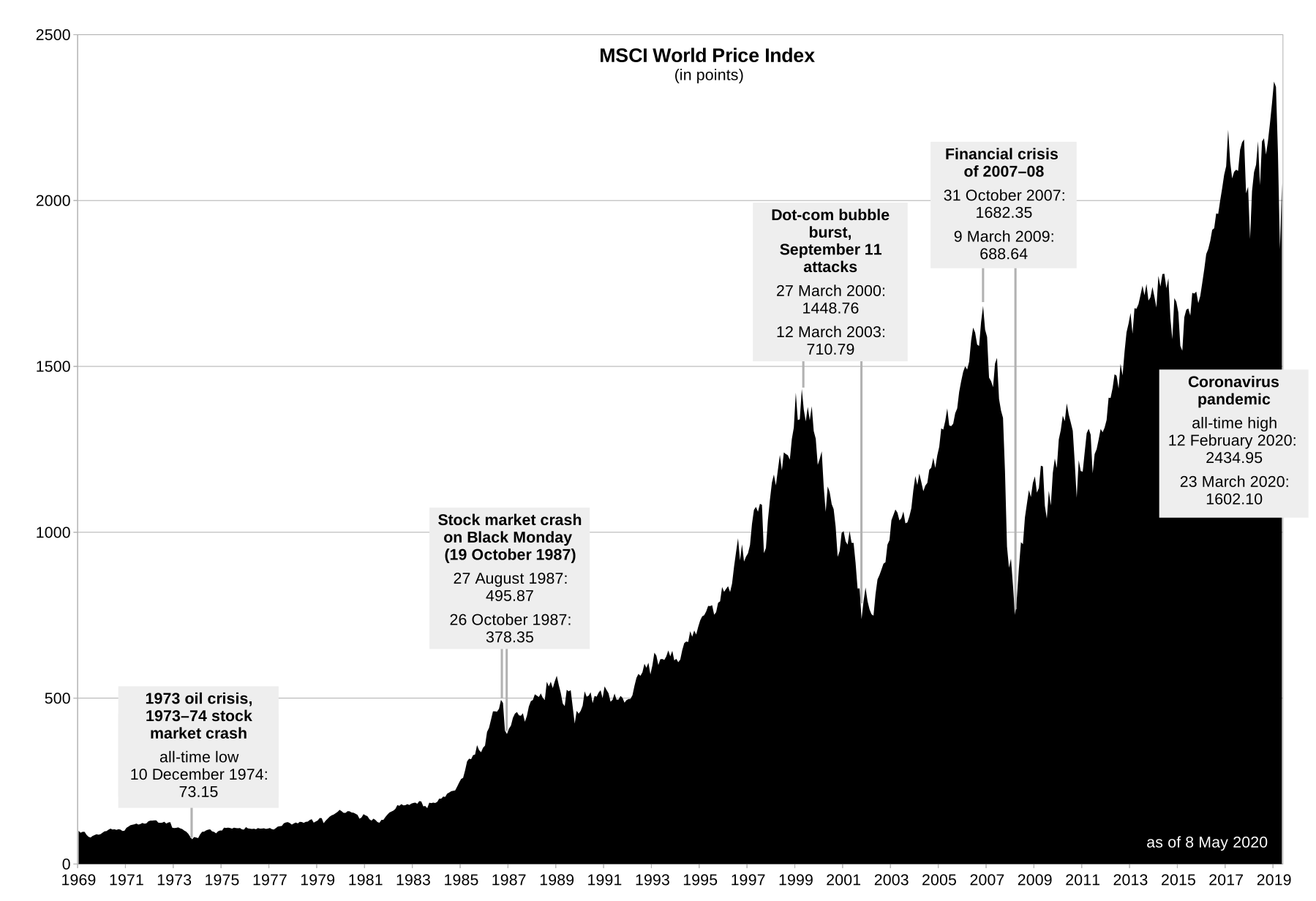
2. MSCI World Accumulation ETF
Ongoing Charge: Slightly higher than S&P 500
Holdings: 1,300 companies
Coverage: Developed markets worldwide
This ETF gives you:
- US exposure
- Europe
- Japan
- Other developed economies
It’s often considered the ultimate beginner ETF because it offers instant global diversification in a single fund.
Volatility tends to be lower than the S&P 500, but returns remain competitive over time.
If you want a big brushstroke approach to global investing, this is where many portfolios begin.
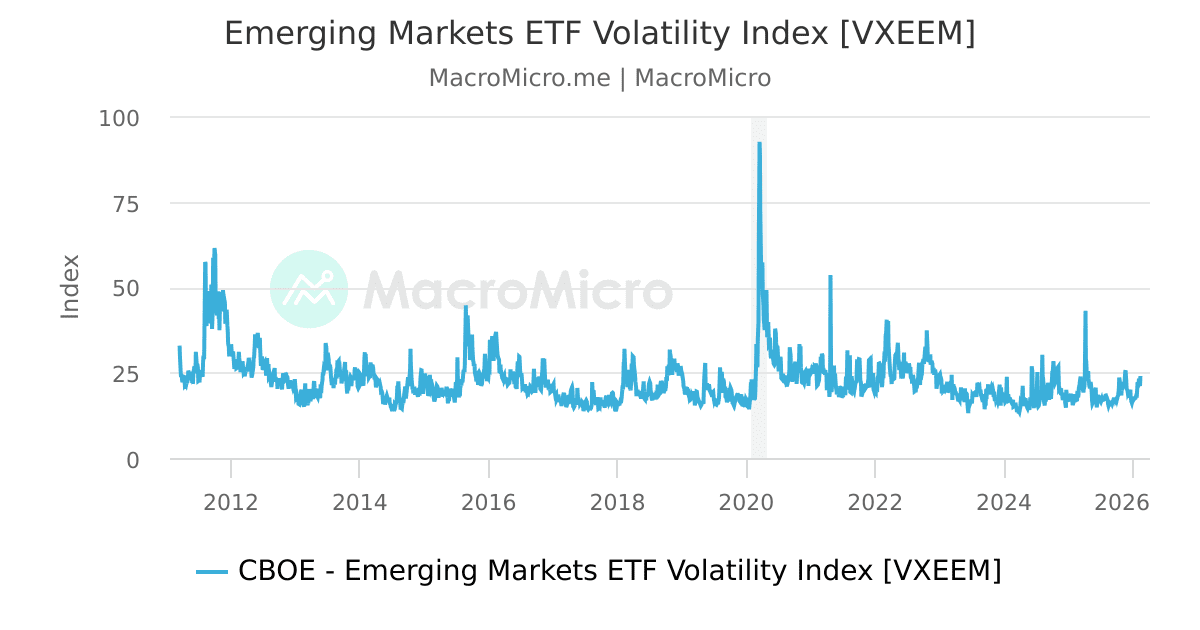
3. Emerging Markets Accumulation ETF
Holdings: 3,000 companies
Risk Level: Higher
Potential: Long-term growth, high volatility
Emerging markets include:
- China
- India
- Brazil
- Southeast Asia
These markets offer huge growth potential, but returns can be uneven.
You may see:
- Strong rallies
- Long periods of stagnation
- Higher geopolitical risk
This ETF works best as a small satellite holding, not a core position.
Think of it as:
- Optional upside
- Not something to rely on alone
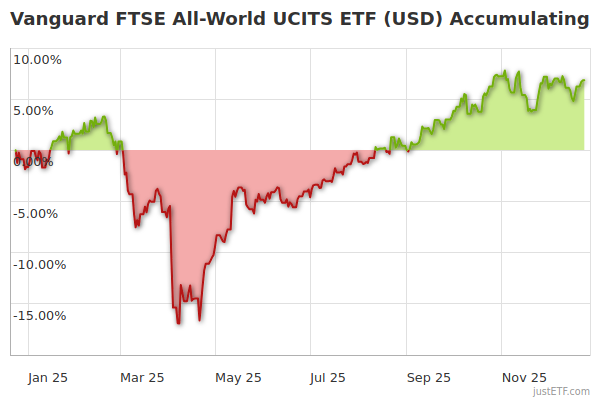
4. Vanguard FTSE All-World Accumulation ETF (VWRP)
Holdings: 3,000+ companies
Coverage: Developed + emerging markets
Style: One-fund solution
This is one of the most popular long-term ETFs in the UK.
It gives you:
- Global diversification
- Emerging markets exposure
- Minimal decision-making
If you want:
- One ETF
- Maximum simplicity
- Long-term growth
This is hard to beat.
Many investors build their entire portfolio around this fund alone.
5. NASDAQ 100 Accumulation ETF
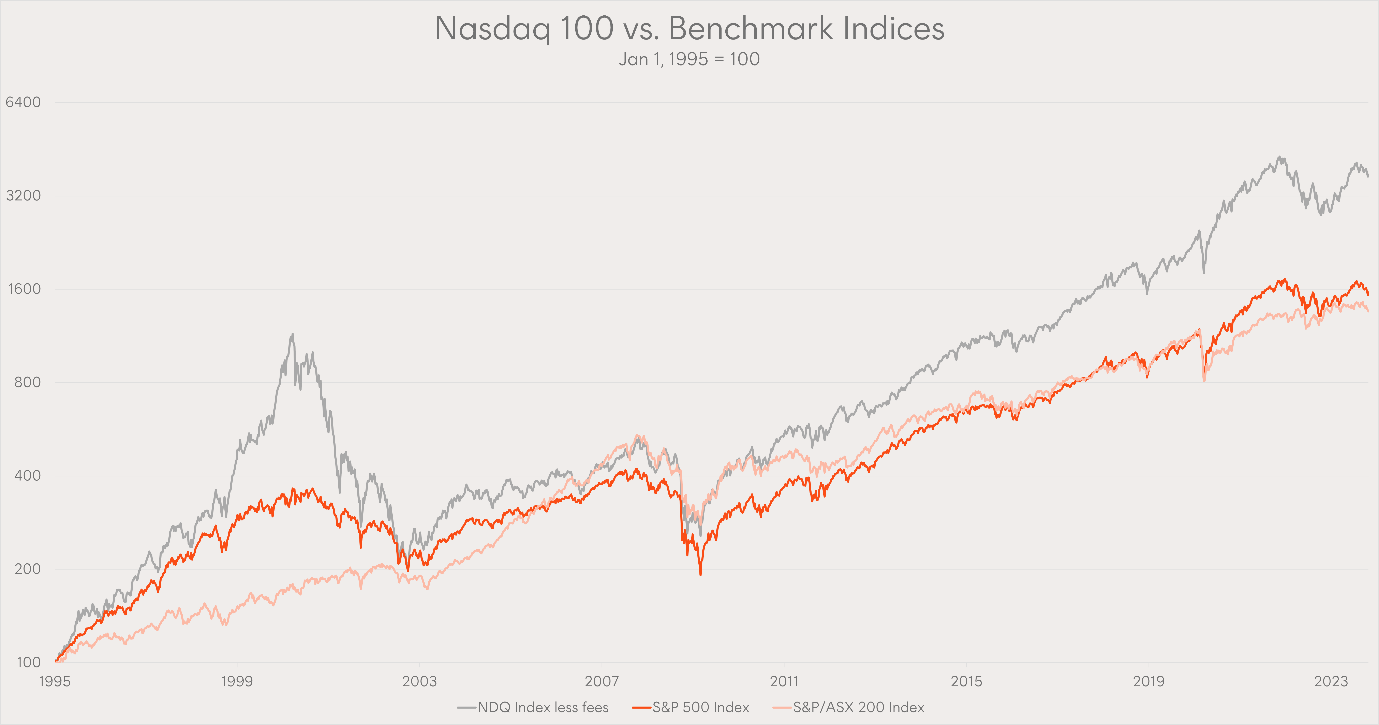
Focus: US technology and innovation
Risk: Higher volatility
Reward: Strong long-term growth
This ETF is dominated by:
- Big tech
- AI
- Cloud computing
- Innovation leaders
Returns can be exceptional but swings can be sharp.
Best used as:
- A satellite growth allocation
- Not your entire portfolio
Technology will likely continue shaping the future but diversification still matters.
How to Build a Simple Long-Term ETF Portfolio
You don’t need 15 funds. Most long-term investors are better served by:
- 1 core ETF
- 1–2 optional satellites
Example structure:
- 60–80% All-World or MSCI World
- 10–20% S&P 500 or NASDAQ
- 0–10% Emerging Markets
The goal is not perfection, it’s consistency.
The biggest mistake investors make isn’t choosing the wrong ETF.
It’s changing strategy mid-way.
Fees Matter (But Don’t Obsess)
Low fees compound in your favour over decades.
Avoid:
- Niche hype ETFs
- Expensive thematic funds
- Over-engineering portfolios
Boring works.
Fees are one of the few things you can control keep them sensible.
Final Thoughts: Wealth Is Built Quietly
Accumulation ETFs aren’t exciting.
But neither is financial stress.
Time + consistency + low costs
That’s the real edge.
If you stay invested, avoid tinkering, and let compounding do its job the results can be powerful.


